Recent
- Top HVAC & Plumbing Issues to Take Care of Before Spring March 10, 2026
- DIY Winter Fixes vs Calling a Professional HVAC Company February 4, 2026
- How Freezing Temperatures Affect Your HVAC System (And What You Should Do) January 7, 2026


January 7, 2026
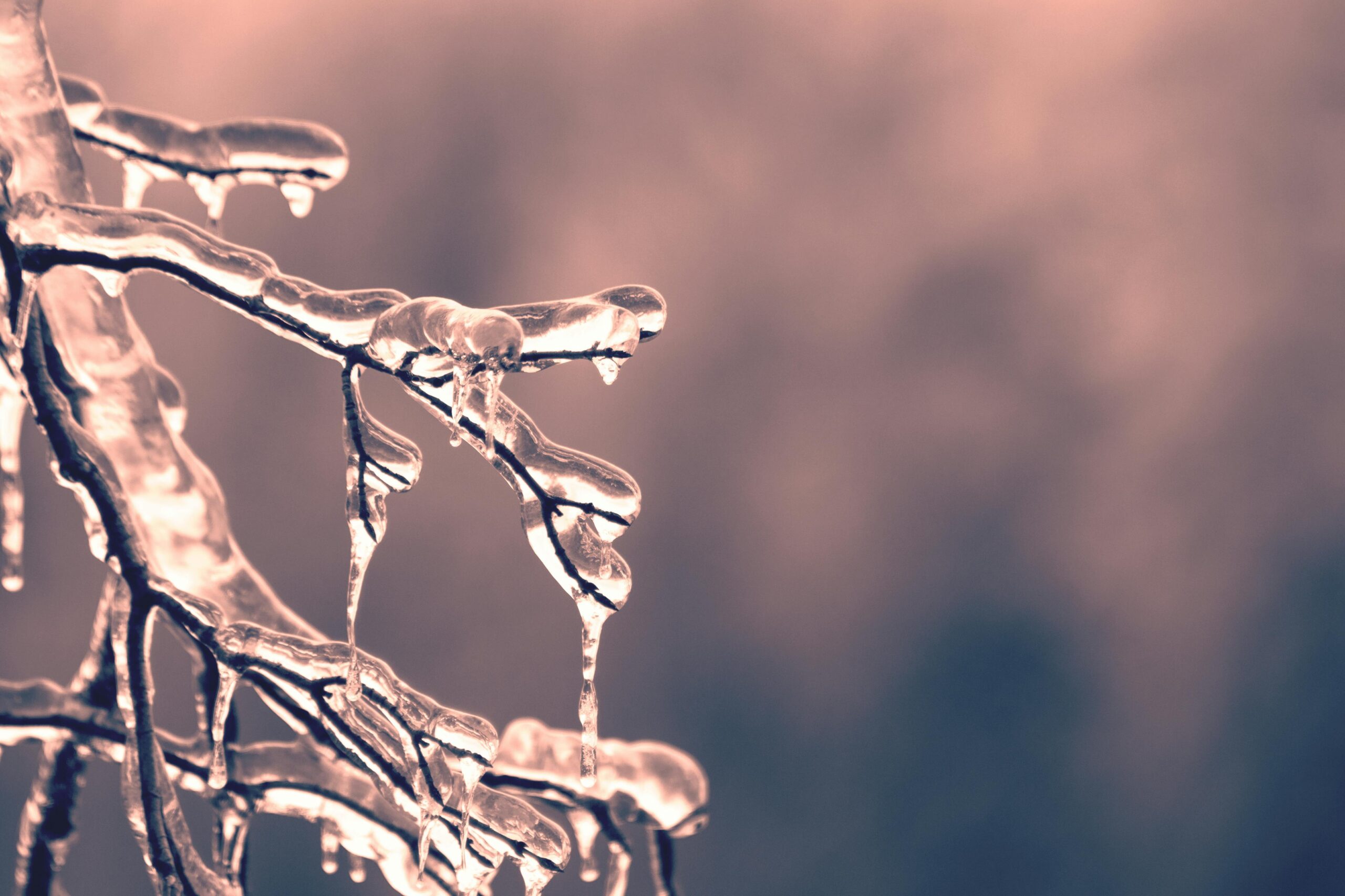
Over the holidays, we experienced frigid temperatures and sheets of ice, which causes your HVAC system to work tirelessly to combat the cold outside. However, while warmer weather is ahead, there’s still more cold and ice in the coming months.
It’s important to know how freezing temperatures affect your HVAC system and what you should do if the temperatures dip below freezing.
Here’s how temperatures affect your system and what you should do to maintain comfort:
You heating system is in place to help you maintain a comfortable home despite the weather outside. However, during extreme temperatures, your system can work harder than normal to ensure that your home’s temperature is maintained. This can lead to issues like accelerated wear and tear, reduced efficiency (leading to higher energy costs), and could worsen already present issues like failing motors or damaged heat exchangers.
While your system is set to a warmer temperature, there are a few factors that can cause its components to freeze. Outdoor units can develop ice build-up, which can restrict airflow, reduce the capacity for heating your home, and causes your system to work harder leading to higher costs.
Furnaces can produce condensation that drain through a PVC line. This line can potentially freeze, which causes it to block and may trigger the system to shut down. There can also be water leaks once the ice melts.
Your thermostat measures the ambient temperature and determines whether to pump heat out. If you have sensors or wiring that run through uninsulated areas of your home, it can cause miscommunication that results in overworking your system, short cycling, and even inaccurate temperature readings.
Winter is the time where your HVAC system works harder. In doing so, it’s circulating more air, which can expedite your filters getting clogged. While it’s important to change your filters every season, you may want to check on the status of your filters mid-winter to see if they’re clogged. If they are, it can overheat furnace components, make it difficult to heat your home, and increase energy consumption.
It’s important to make sure that your system and its components are fully functioning throughout the winter to help keep your home warm and your family comfortable. Preventative maintenance is vital at reducing the risk of costly problems down the road. However, if there’s a present issue, getting emergency service can help alleviate the problem.
If you have an outdoor unit, it’s important to make sure that it’s cleaned off after the event of a snow or ice storm to ensure proper airflow. Take the time to check your home for leaks that you can seal to prevent cold air from coming in, and more importantly, warm air from getting out.
If you’re noticing any of the issues listed and want to be proactive at ensuring that your home remains warm and cozy until spring, let Tindall & Ranson help you. We can inspect your system to make sure that it’s running smoothly and fix any issues that it may be facing.
Let us help you stay warm during the rest of winter!
Blog Posts
Enter your email address
Below to receive updates
And special offers!
Submit your questions about home performance and maintenance to your plumbing, heating and cooling systems for our monthly Ask Kevin article!
NJ PLUMBING LIC #8859
NJ HVAC-R LIC #9540
NJ CONTRACTOR REG #13VH01545000